Why they are important, how they are being weakened.
The current provincial government has weakened our Conservation Authorities (CAs) time and time again, so I thought it would be a good idea to spotlight the incredible work they do, and how we can support them.
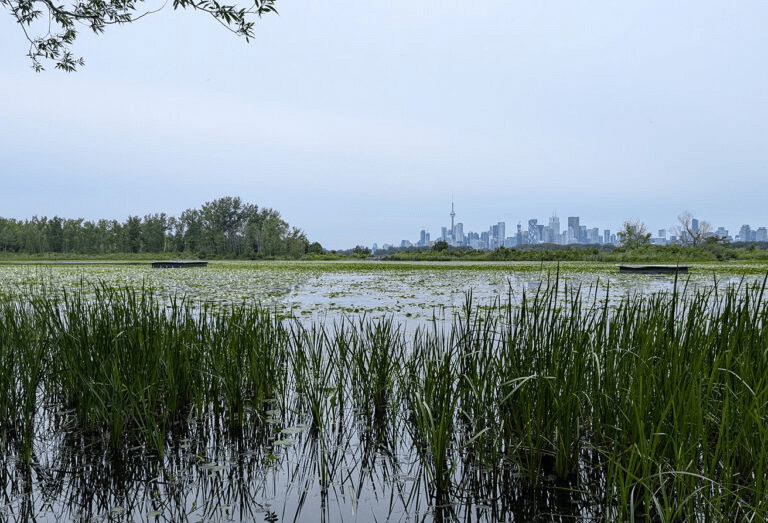
Conservation Authorities are unique to Ontario. They are local watershed management agencies, working to protect and manage the safety and use of our water. There are 36 in total, 31 in southern ON and 5 in northern ON. They were established in the 1940s under the Conservation Authorities Act in response to serious flooding, deforestation, and erosion issues, and remain our first human-made defense against water quality issues, increasing climate change impacts, and the degradation of the waterbodies and surrounding ecological areas which make Ontario so beautiful. Hurricane Hazel, which caused 81 deaths and approximately $137,552,400 in damage, underlined and solidified the importance of strong CAs. As worsening climate change, biodiversity declines, and expanding urban areas put more and more pressure on our environment, CAs must be a priority. If we protect the environment, it will protect us back.
CAs are classified as either charitable or nonprofit organizations, run by a Board of Directors appointed by the local municipality. They are mostly funded through Municipalities and donations. They conduct crucial ecosystem restoration and resilience work, support local parks, and run great local programs such as outdoor education, volunteering initiatives, and other community events. CAs are grounded in a local approach, operating under municipal governance and (up until recently) structured based on specific, localized watershed geography.
We need strengthened CAs now more than ever
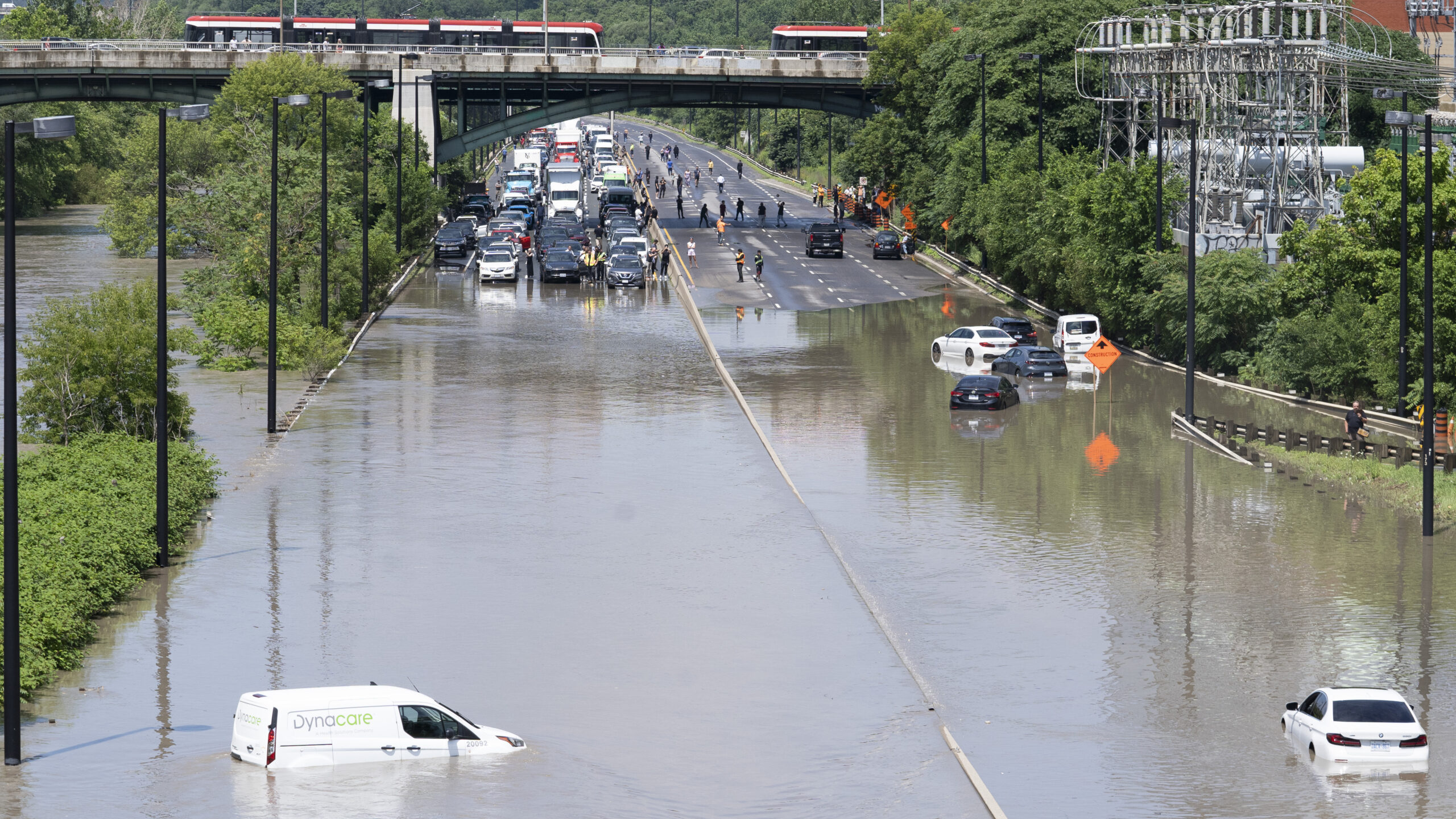
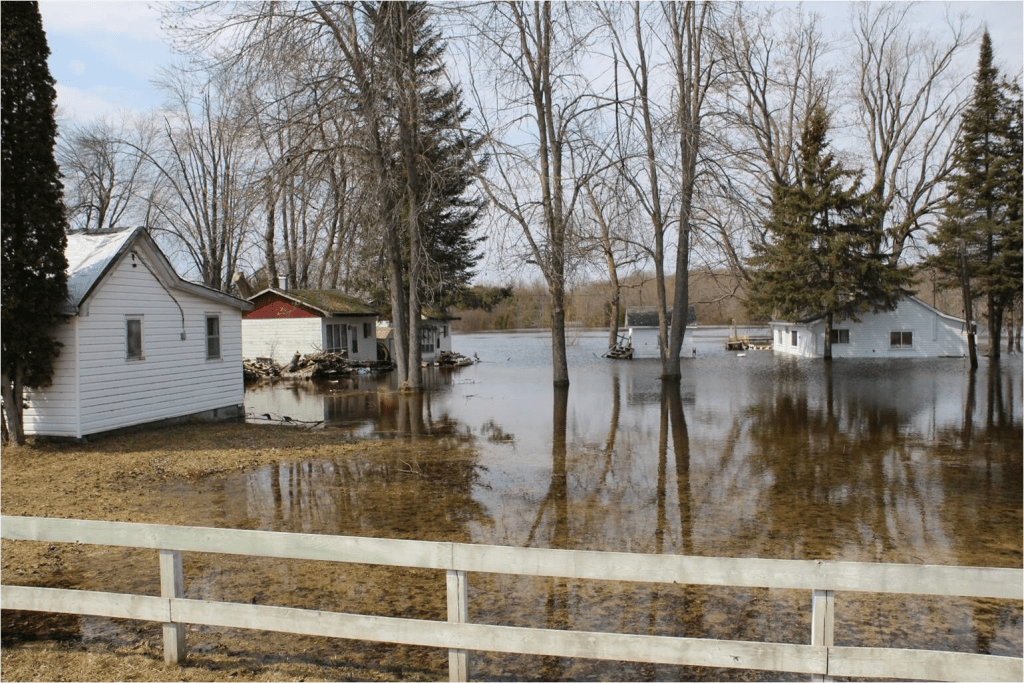
Increasing climate change severity has been linked to rising water temperatures, more frequent and extreme rainfall and storms, unpredictable droughts, and degraded biodiversity of both ecosystems and species. Increasing development pressures in Ontario has led to declines in biodiversity, the loss of crucial waterbodies such as wetlands, the loss of farmlands, and ever-increasing demand for storm, flooding, and erosion infrastructure. Across Canada, climate change is driving floods of increased severity and frequency, with floods already being the most common disaster – averaging an annual of almost $800 million in insured losses alone. Only about 10 to 15% of households are actually covered for repairs and rebuilding after overland flooding. In Toronto, one day of flooding in July 2024 cost $1 billion in insurable losses, with total costs likely much higher.
CAs conduct crucial monitoring of water conditions, manage and prepare for floods, droughts, and extreme weather events, and work to conserve ecosystems, increase resiliency to flooding, and resolve water quality issues. They support farmland resiliency, the restoration of trees, forests, and wetlands, provide permitting and assessment for development projects, and so much more. All in all, they are an unequivocally necessary part of our province.
Recent attacks on conservation authorities
Most recently: Mass, unwarranted consolidation
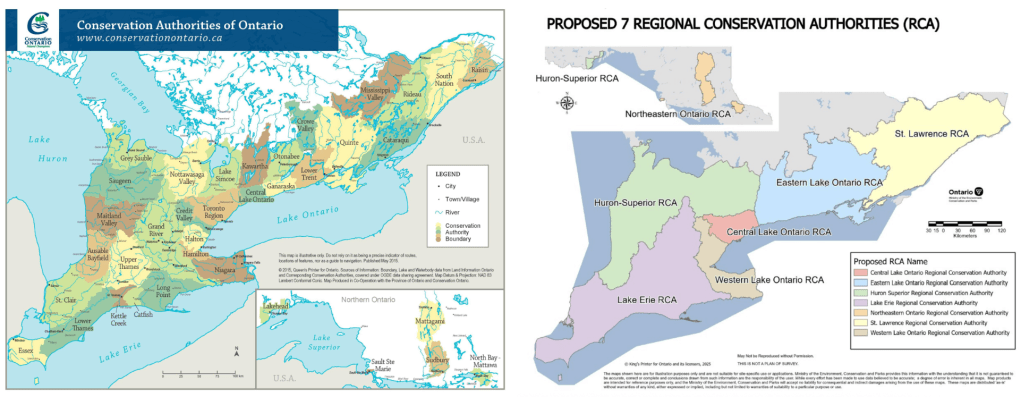
On November 7th of this year, the Ford government proposed to consolidate CAs from 36 to seven managed under one agency by Spring 2026. Yep, you read that right. 36 to seven. The provincial government argues that current CAs are “fragmented” leading to “unpredictable and inconsistent” operations. They claim that this mass consolidation will align CAs with “provincial priorities on housing, the economy, infrastructure and climate resilience”. First and foremost, claiming that climate resiliency is a priority for our current provincial government is a straight up joke, to be frank. Second, based on Ford’s track record, it is clear that this is another attempt to deregulate unnecessary urban sprawl that does nothing for the housing crisis and permanently degrades our environment and farmland.
The past few times CAs have been consolidated, it has been the decision of the municipality based strictly on specific geographic concerns or goals. This is part of what makes CAs strong, their geographical boundaries allowing for localized work. Although the proposal claims that the new “regional” CAs will align with watershed boundaries, these new jurisdictions follow oversimplified Great Lakes watersheds rather than the current structure based on the drainage of streams and rainfall (see above). The drastic shift from 36 to seven with a central management agency is highly likely to eliminate the localized services of CAs which define their original mandate. These seven areas will encompass highly diverse topography, hydrology, and community needs, leading to more complexity and less oversight. According to interviews with CA representatives, this consolidation is significantly concerning and has no apparent benefits, with one CA Chair calling the proposal “heartbreaking”.
Provincial authority to overrule development decisions

As of January 1, 2025, a regulation amended the Conservation Authorities Act to allow the Minister of Natural Resources and Forestry to override permitting decisions, and review permitting decisions made by CAs. Essentially, the minister can now tell CAs to issue or not issue development permits, a decision that was historically made by CAs and their group of experts. Developers now also have new pathways to appeal CA decisions, requesting the minister to review and overrule them. Additionally, developers can now simply apply to the minister’s office rather than CAs, if they “justify” why they choose to do so. Decision making power regarding a development’s impact on waterways and other ecological areas now rests in the hands of the minister and his staff, rather than organizations of local experts aimed at protecting their communities from natural hazards. This does not bode well.
Gutting of environmental oversight in permitting
A massive 2024 amendment repealed 36 regulations allowing CAs to oversee development, instead consolidating it into one regulation to streamline allegedly inefficient processes – sound familiar? This greatly weakened the environmental safeguards for development in Ontario, including CAs no longer being allowed to consider “pollution” and “conservation of land” when deciding to approve development. It also significantly weakened the ability of CAs to weigh in on natural hazard issues during zoning and permitting changes. There is so much that could be discussed about these changes, but for the sake of brevity I’ll direct you here.
Final thoughts
It can be easy to get complacent when it seems like every provincial and federal bill lately has come at some sort of cost for our environment. But I stand by the belief that, when it comes to advocacy, doing something is always better than nothing. When it’s all said and done, you will know that you backed up your beliefs. That in itself makes a difference in comparison to apathy. You can leave a public comment on the proposal HERE until December 22nd!! To support your local CA, find them HERE. If you live in Toronto, it will be the TRCA.

 Abby Shin
Leave a comment