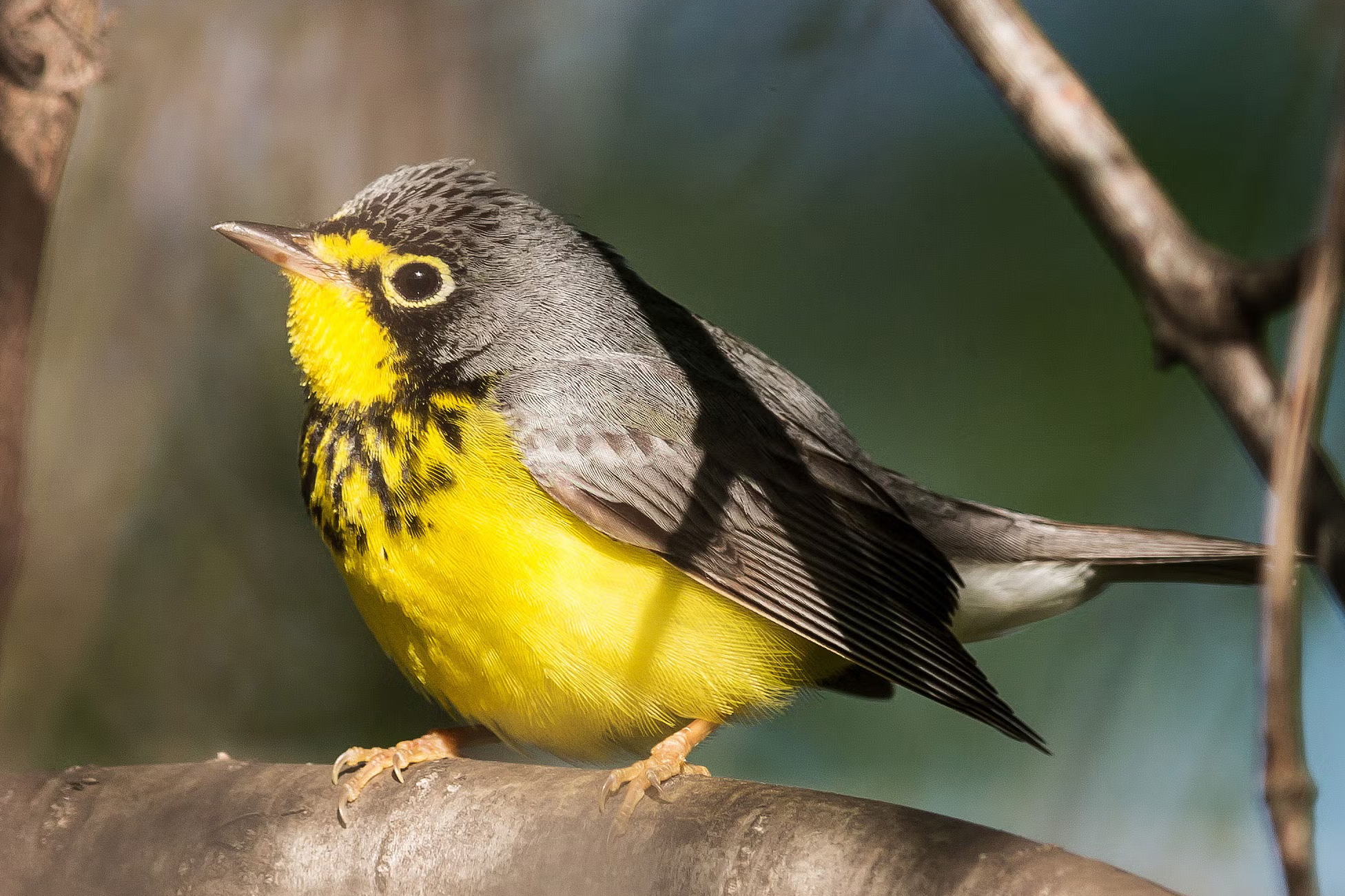
On September 26th, Ontario proposed to delist 106 species under the incoming Species Conservation Act (SCA). The SCA was passed within the omnibus Bill 5 in June, and is set to replace the Endangered Species Act, 2007 (ESA). To learn more about how the SCA weakens Ontario’s environmental policies read my June blog post. This recent update has sparked a wave of concern from environmental groups such as Environmental Defence, and while the repealing of the ESA hugely disappointing, it is important to understand what this delisting actually means from a legislative standpoint.
Of the 106 species, 64 are those classified as Special Concern by the Committee on the Status of Species at Risk in Ontario (COSSARO) and 42 are aquatic species (fish and mussels) and migratory bird species listed as extirpated, endangered or threatened under the federal Species at Risk Act, 2002. Aquatic species and migratory birds are also subject to protection under the Fisheries Act, 1985 and the Migratory Birds Convention Act, 1994.
In short, the issue lies in the protection of critical habitat, the gaps which exist in the federal conservation framework, and the fact that these changes point to Ontario no longer filling these gaps. To take action, sign the petition linked at the end of this post.
Special Concern species

Special Concern (SC) species are defined as species which live in the wild in Ontario, are not endangered or threatened, but may become threatened or endangered due to a combination of biological characteristics and identified threats.
Ontario’s justification for removing SC species from the SCA list is that they were not subject to prohibitions under the ESA. However, removing them from any classification may block any monitoring or measures central to the species not becoming Threatened or Endangered. It also sets the precedent that Ontario’s species at risk protections are not aimed at prevention, but rather mitigation, of population loss. This is concerning, but aligns with the SCAs shift away from recovery as a goal.
The SC classification was created for a reason. Under the federal Species At Risk Act (SARA), SC species and their habitat are subject to a mandatory management plan. These conservation measures will still apply to Ontario’s delisted species if they are federally listed as SC, however habitat protection measures under SARA only apply to federally-managed land which comprises a small percentage of Ontario. Provinces and territories are central to the implementation of recovery or management plans under SARA. It is unknown how the lack of SC status will now impact the province’s involvement in implementing management plans for SC species, but it does not bode well. SARA has measures to compel provincial protection and recovery, but these do not apply for SC species.
Migratory bird and aquatic species
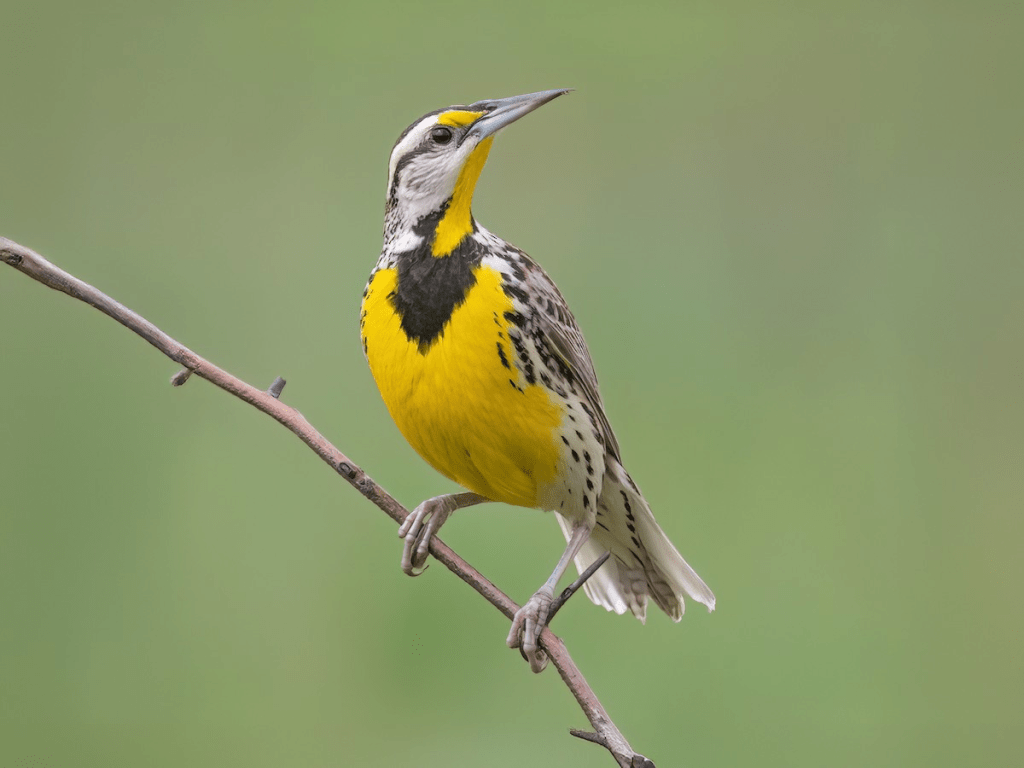
The migratory bird species being delisted technically still have some protections under the Migratory Birds Convention Act (MBCA) and SARA. The MBCA prohibits possession, buying, selling, or exchanging a migratory bird or nest, as well as prohibits the dumping of substances in waters or adjacent areas frequented by migratory birds. If they are listed under SARA, they are subject to a recovery or management plan as well. However, SARA can only protect, manage, and recover critical habitat on federal land. It is up to the province to implement these plans on habitat that occurs on their land and private lands. But how will they do so with no legislative provincial recognition, protection, or recovery plans?
So, technically these species are still protected from direct killing, harm, and capture. But, if their critical habitat is on provincial and private lands, it could end up with zero protection and recovery. Critical habitat is named as such for a reason, it is the habitat that is necessary for the survival or recovery of a listed wildlife species.
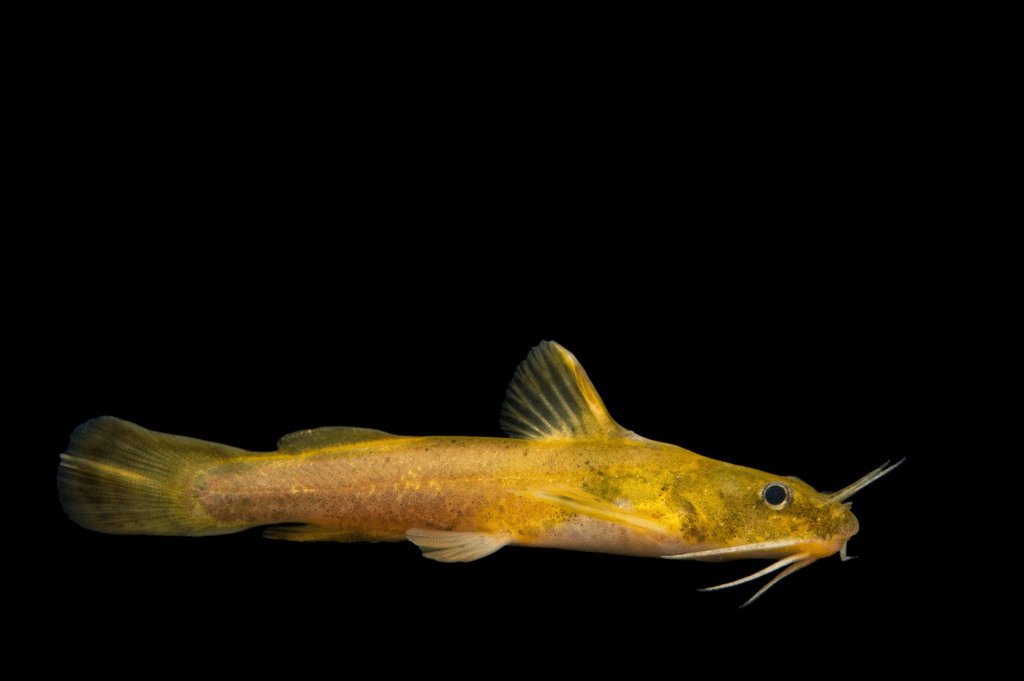
Similar to migratory birds, the aquatic species delisted in Ontario technically have some protections under the Fisheries Act and SARA. However, it is again an issue of jurisdiction. In Canada, provinces have important roles in water management, safety, and protection. If areas critical to the recovery of delisted aquatic species at risk are reliant upon provincial protections, and there are no legal provincial mechanisms acknowledging the species as at risk, or laying out plans for their protection and recovery in provincial jurisdictions, how many will fall through the cracks?
Final thoughts
Canada and Ontario’s track record on species at risk protection in no way measure up to the amount of crucial biodiversity living in the country. In a time of immense pressure for urbanization and natural resource extraction, species at risk are being targeted.
Every single species is crucial to the ecosystems which clean our air and water, protect us from floods and fires, and are the first defense against disease and climate change Canada is moving backwards on biodiversity protection, with Ontario leading the charge.
The Species At Risk Act outlines the responsibility of the federal government to intervene when provinces are not adequately protecting species at risk. Now is the time for the federal government to put Canadians and their environment at the center of policy, and exercise the legal mechanisms under SARA which compel provincial accountability. In the mean time, you can submit a comment on the proposal before Nov 10th and voice your concerns here:

 Abby Shin
Leave a comment