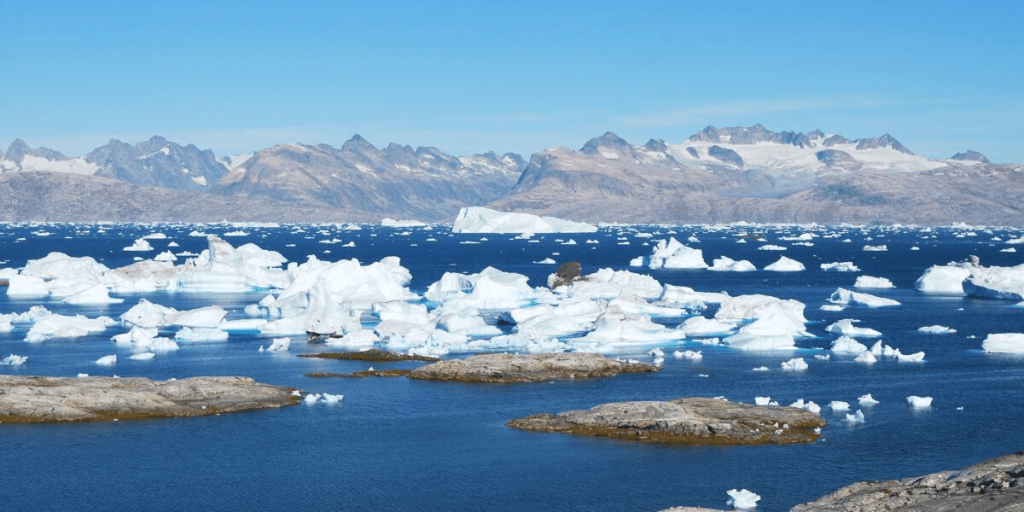
Anyone tapped into the current and projected ecological, social, and geopolitical consequences of climate change is likely faced with a constant, if not crippling, sense of dread. Not only is climate anxiety very real (and worsening as the world gradually turns into a Black Mirror episode), but eco-grief is as well. Eco-grief often manifests as a sense of depression or mourning for the plants, animals, ecosystems, and landscapes suffering at the hands of climate change or other anthropogenic damage.
These feelings can be absolutely paralyzing. As someone immersed in environmental issues both in and outside of school, I deal with them on a daily basis. Over the years, I have developed some general rules that may be useful for anyone wanting to get more involved in environmentalism.
1. Do not become apathetic, reject climate doomerism.
The main, long-term risk of climate anxiety and eco-grief is becoming hopeless, apathetic, and accepting of the fact that there is nothing to be done about the situation. As explained by Dr. Katharine Hayhoe, climate doomerism is when you believe there is no hope about climate change, feel protected and comfortable in this belief, and become extremely threatened by discussions of hope.
Although it can get extremely enticing to turn away from the hard things, especially when social media and technology has given us millions of opportunities for distraction right at our finger tips, this is the worst thing you can do for yourself in the long run. Yes, taking breaks from the bad news is crucial, but becoming apathetic is succumbing to a negative worldview in which no sympathy is felt for those – both human and otherwise – struggling from the impacts of climate change and environmental degradation. It is a privilege to even be able to turn away from these impacts, and there will come a time in which we cannot ignore them because they have come right to our front door.
Choosing to be apathetic, in this day and age, is choosing to be the type of person that is indifferent to the literal future of us and our planet. And being this type of person, knowing subconsciously that you have chosen this worldview, will not improve your mental health in the long run. What will improve your mental health is staying informed and contributing where you can while giving yourself breaks from the bad news.
2. Allow yourself joy.
Oftentimes, when I am out with friends or family, I find myself unable to fully enjoy things because of a narrative in the back of my mind playing all the bad news I have consumed lately on a constant loop. I almost want to punish myself for having a nice time, how could I be happy while countless social, political, and ecological tragedies take place every second of the day? While understandable, this way of thinking is extremely counter productive.
It is an immense privilege to stress about this, and it is also a waste of energy that will leave you burnt out and no help to anyone. Yes, it is very important to check your privilege and be aware of how lucky you are that you can enjoy your life and the things in it. However, the whole point of knowing your privilege is using it to make positive impacts to the world around you, not torturing yourself over having a night out with your friends.
Allow yourself to find joy in your life, so that it rejuvenates you for the harder stuff. Your energy is much better spent making actual impacts – volunteering, protesting, petitioning, reading, etc. – rather than stressing over things that will not help yourself or anyone else.
3. Make positive impacts, however small.
I have found that the best way to address feelings of hopelessness is by constantly integrating environmentalism into my life. This is so accessible, and can be done very easily. It makes you feel useful, fulfilled, and even excited about your contributions. You can …
- Sign petitions and participate in email/phone/letter-writing campaigns. This literally takes 5 seconds, and eNGOs like those linked in my Resources page make it so easy.
- Repost/share petitions, email campaigns, and other important information. Social media and technology gives each and every one of us the opportunity to encourage collective action through a few clicks.
- Cut out waste in your household. Zero waste shampoos, conditioners, body washes, toothbrushes, and more are SO accessible and high quality nowadays. A blog post about this is coming soon.
- Plant a pollinator/wildlife friendly garden or plants. See my recent blog post!
- Volunteer, volunteer, volunteer! Chances are there are always environmental or social welfare volunteer opportunities happening around you. Start by looking into municipality- and eNGO-run events or campaigns (these occur online and in-person).
- Strengthen your relationship with nature. Take a walk, explore local trails, visit a provincial or national park, go to a museum, read books about nature (like The Light Eaters, my current read). The Canada Strong Pass lets you do some of these activities for free or discounted this Summer!
4. Fill your feeds with the good guys.
This recommendation is very similar to how I ended a recent post, Doug Ford hates the environment. Following environmental advocacy groups, scholars, leaders, artists, etc. won’t hide the bad news, but it will make you feel better knowing how many people share your concerns and are doing something about them. This way, you will have extremely easy access to ways to get involved and other educational pieces suited for our shortened attention spans. Below are some examples of groups and people I follow or am subscribed to on various digital platforms:
Groups:
- Ecojustice Canada for all things environmental policy and politics.
- Greenpeace Canada, The David Suzuki Foundation, World Wildlife Fund Canada, Environmental Defence Canada, Wildlife Conservation Society Canada, Nature Conservancy of Canada, Assembly of First Nations and more for education, activism, etc.
- Ontario Nature for Ontario-specific environmental news.
- Parks Canada and Ontario Parks for news about our parks, conservation areas, and more.
- UN Biodiversity, UN Climate Change, UN Environment Programme, Fossil Fuel Treaty, Rainforest Alliance, World Resources Institute, Environment by Impact, and more for international environmental news.
People:
- Dr. Jane Goodall for obvious reasons.
- Greta Thunberg, one of the faces of the international youth climate movement.
- Autumn Peltier, an incredible Indigenous clean water activist from the Wiikwemkoong First Nation in Ontario.
- Tamara Lindeman (aka The Weather Station), a Canadian musician and artist who is a great social and environmental advocate.
- Mary Oliver, a late poet whose work will remind you to appreciate and connect with nature.
You can find more groups and people in these articles: 8 Indigenous Climate Voices to Follow, Indigenous Changemakers, 35 Environmental Organizations and Nonprofits For a Sustainable Future.

 Abby Shin
Leave a comment